Commas In Introductory Phrases Use commas after introductory a clauses b phrases or c words that come before the main clause a Common starter words for introductory clauses that should be followed by a comma include after although as because if since when while While I was eating the cat scratched at the door
A comma should generally be used to separate an introduction from the independent clause of a sentence Introductory words Use a comma after introductory words like however nonetheless or furthermore Example Film production was halted due to the pandemic Nonetheless the actors continued to rehearse their roles Introductory clauses Jul 1 2023 0183 32 Commas with introductory phrases A comma normally follows a participial phrase that introduces a sentence Grabbing her umbrella Kate raced out of the house Confused by her sister s sudden change in mood Jill stayed quiet
Commas In Introductory Phrases
 Commas In Introductory Phrases
https://i.pinimg.com/originals/78/e3/73/78e3733d2f2fbb81aed52e06b2b72b53.png
In English you use commas to separate introductory elements from the rest of a sentence Find out how with David and Paige
Pre-crafted templates use a time-saving solution for producing a diverse variety of files and files. These pre-designed formats and designs can be utilized for different individual and expert tasks, consisting of resumes, invites, flyers, newsletters, reports, discussions, and more, enhancing the content production procedure.
Commas In Introductory Phrases
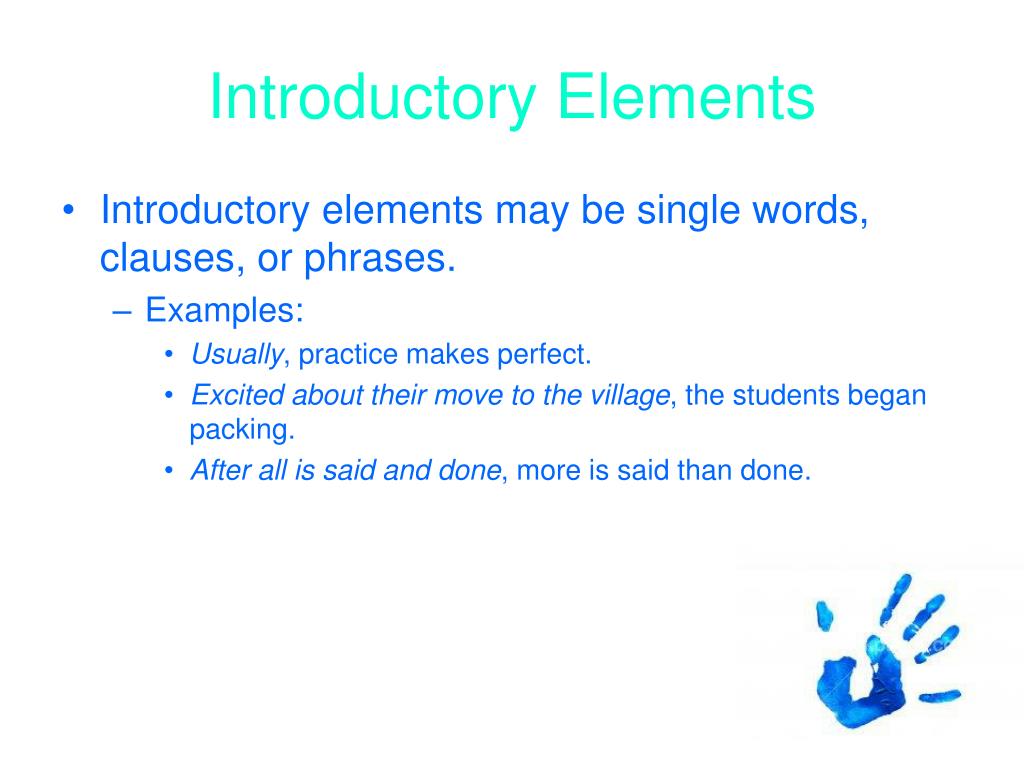
PPT Commas With Introductory Elements PowerPoint Presentation Free
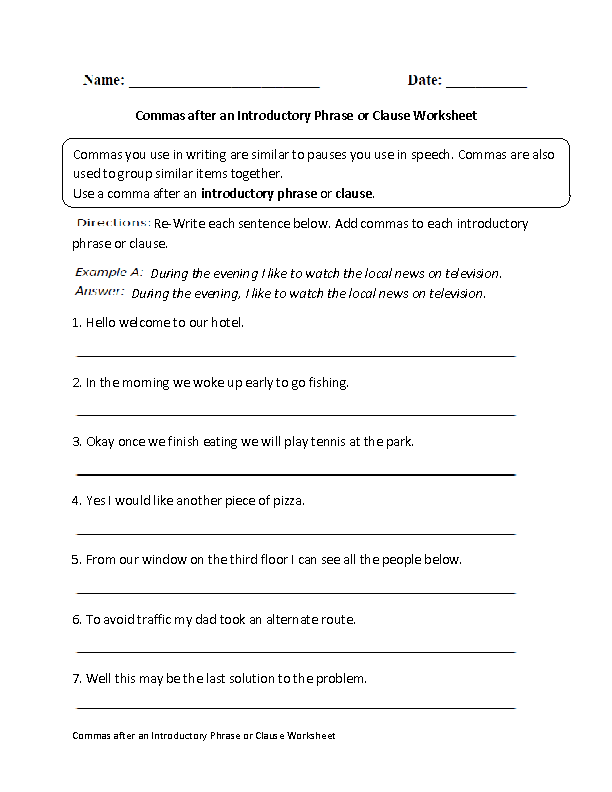
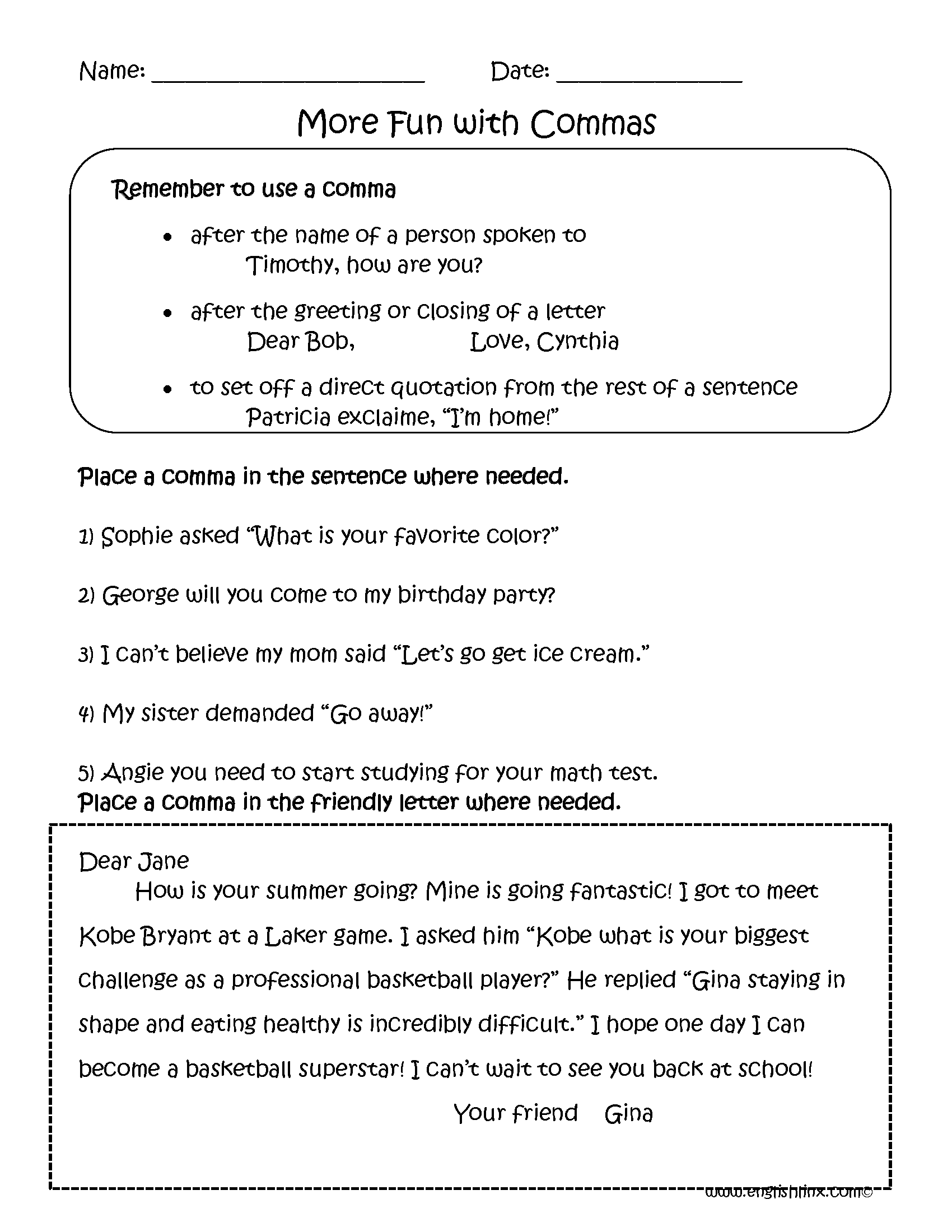
Commas Worksheets Commas After Introductory Phrase Or Clause Worksheet
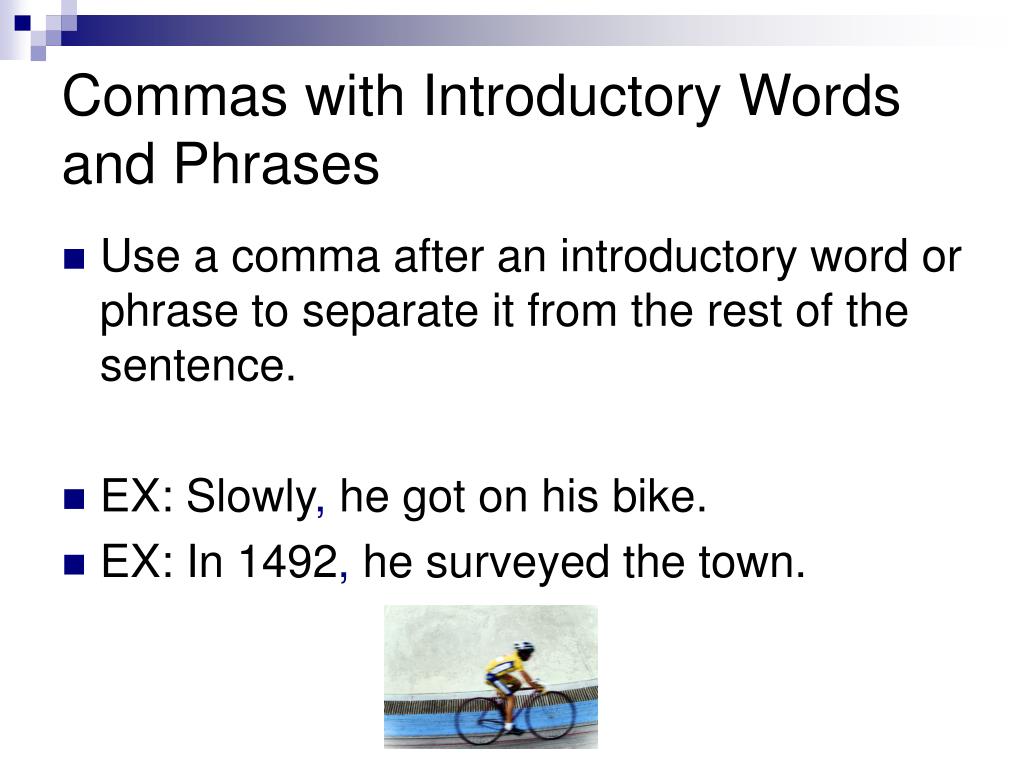
PPT Commas In Sentences PowerPoint Presentation Free Download ID 76477
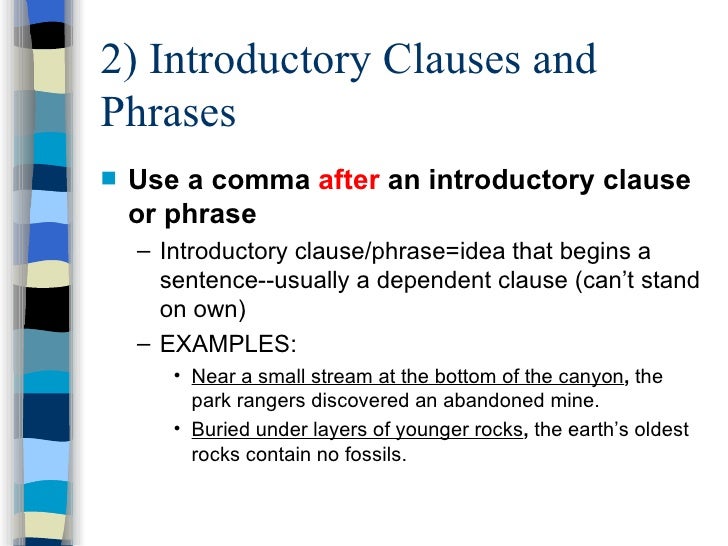
Comma Notes 1 Powerpoint
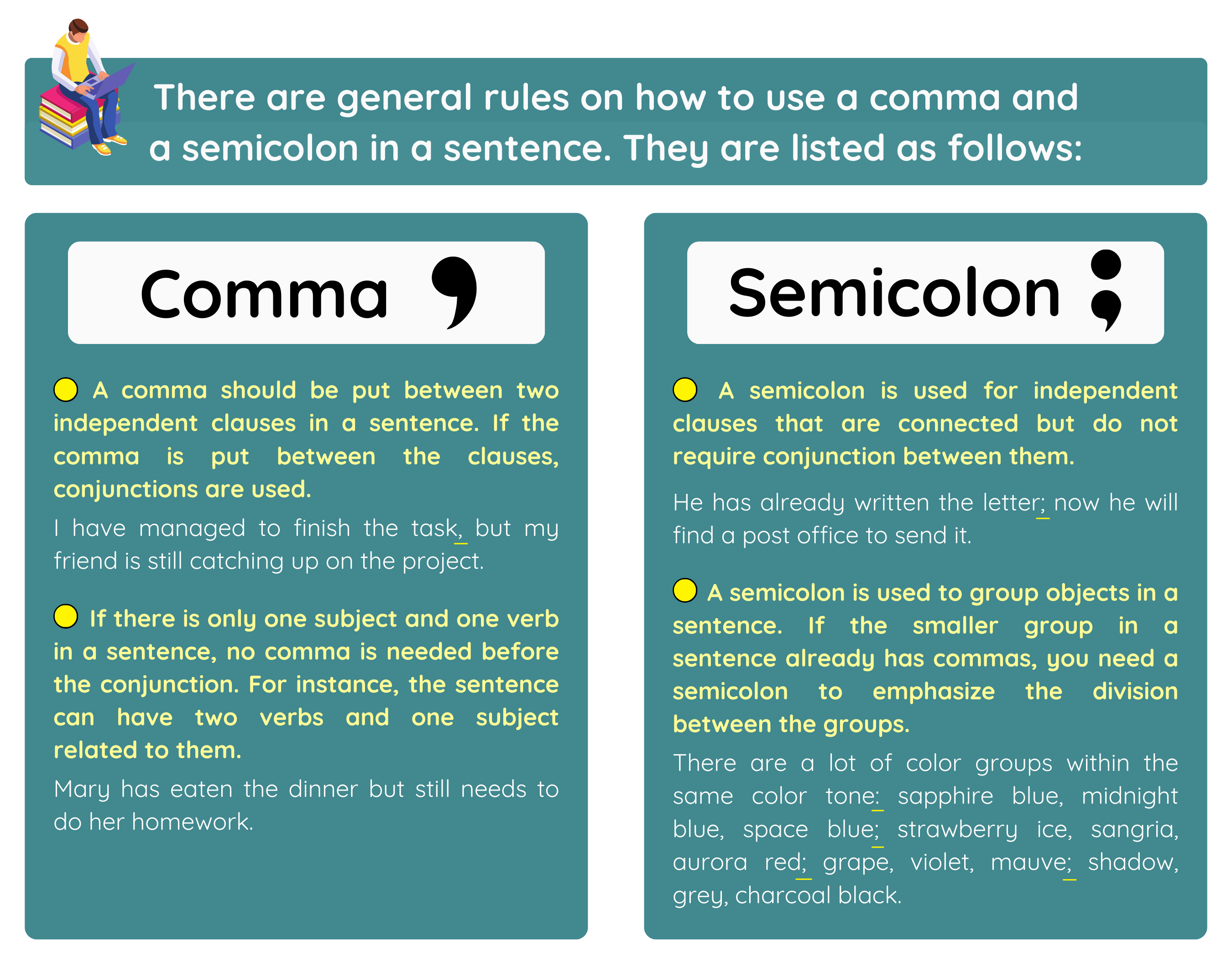
Use Of Commas And Semicolons In Academic Texts Basic Rules
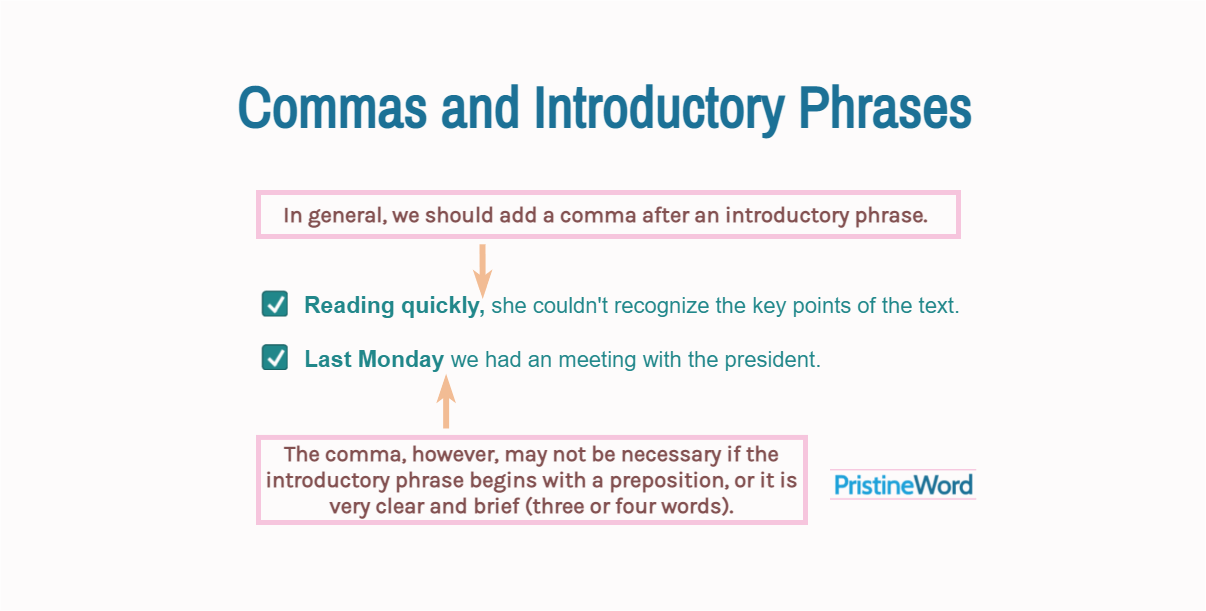
Do You Need A Comma After An Introductory Phrase
https://grammarist.com/punctuation/commas-with-introductory-phrases
An introductory adverb phrase has a comma after it to avoid confusion This punctuation mark signals a pause before the reader gets into the author s main message An introductory phrase is neither an independent nor dependent clause because it doesn t have a subject or verb There are several types of introductory phrases Prepositional

https://owl.purdue.edu/owl/general_writing/
When to use a comma Introductory elements often require a comma but not always Use a comma in the following cases After an introductory clause After a long introductory prepositional phrase or more than one introductory prepositional phrase After introductory verbal phrases some appositive phrases or absolute phrases If there is
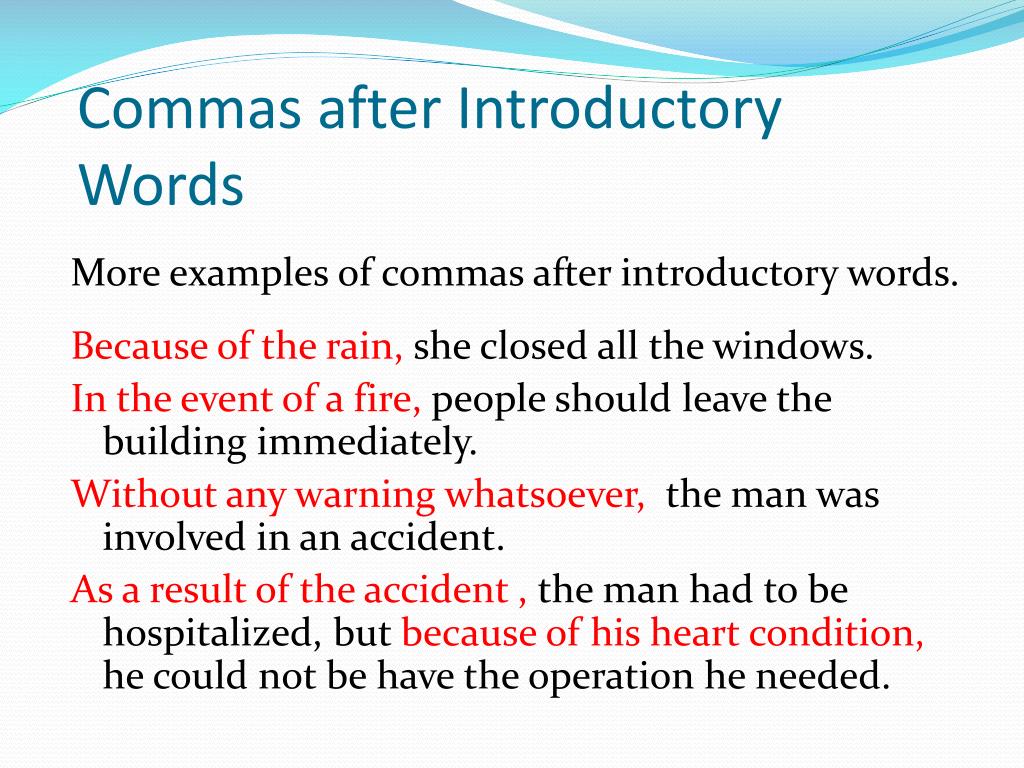
https://grammarbrain.com/introductory-phrases
When writing introductory prepositional phrases you always use a comma to separate the dependent from the independent clause In the case of introductory infinitive phrases you almost always use a comma after the introductory element

https://proofed.com/writing-tips/punctuation-tips
Sep 4 2020 0183 32 Commas After Introductory Phrases Let s start in broad terms By introductory phrase we mean any group of words used to frame or modify a sentence that isn t a complete clause There are no strict rules about when to add a comma after an introductory phrase

https://owl.excelsior.edu/grammar-essentials/
With Introductory Phrases Use commas after introductory words or phrases Subordinating conjunctions are words that connect but unlike coordinating conjunctions which connect equal parts subordinating conjunctions connect dependent clauses incomplete thoughts to independent clauses
Use commas after introductory a clauses b phrases or c words that come before the main clause Use a pair of commas in the middle of a sentence to set off clauses phrases and words that are not essential to the meaning of the sentence Use one comma before to indicate the beginning of the pause and one at the end to indicate the end of No comma is necessary because the introductory phrase is only three words Absolute Phrases Use a comma after an absolute phrase at the beginning in the middle or at the end of the sentence The rain finally over we left the shelter of the trees and walked on The puppy its eyes finally closed slept the rest of the car ride home
You should put a comma after an introductory clause or phrase Though the agency had studied this issue before it went ahead with another study Introductory dependent clause If I were you I would research the case thoroughly Introductory dependent clause
