When To Add S In English the s is only added to regular verbs in the present tense when the subject of the verb is a third person singular subject This s is different from the plural s Do not confuse the two The subject quot Lisa and Ronald quot is a third person plural subject so
Feb 14 2019 0183 32 1 Answer Sorted by 2 Adding quot s quot or sometimes quot es quot if the noun ends with certain letters like x or s to a noun makes it plural meaning there is more than one This is true for most nouns though some common nouns have plurals that are formed differently Examples of typical singular plural formations Sep 20 2018 0183 32 Only Present tenses of a verb Present Indefinite Tense in your first sentence also Present Perfect has changed and Present Perfect Continuous has been changing used with a singular 3rd person subject Salman Khan here take s es endings You have Past Indefinite in the second sentence so there s no such an ending
When To Add S
 When To Add S
https://i.pinimg.com/736x/db/38/a3/db38a3c40f1d7910a2d2bf7d4b0ae459.jpg
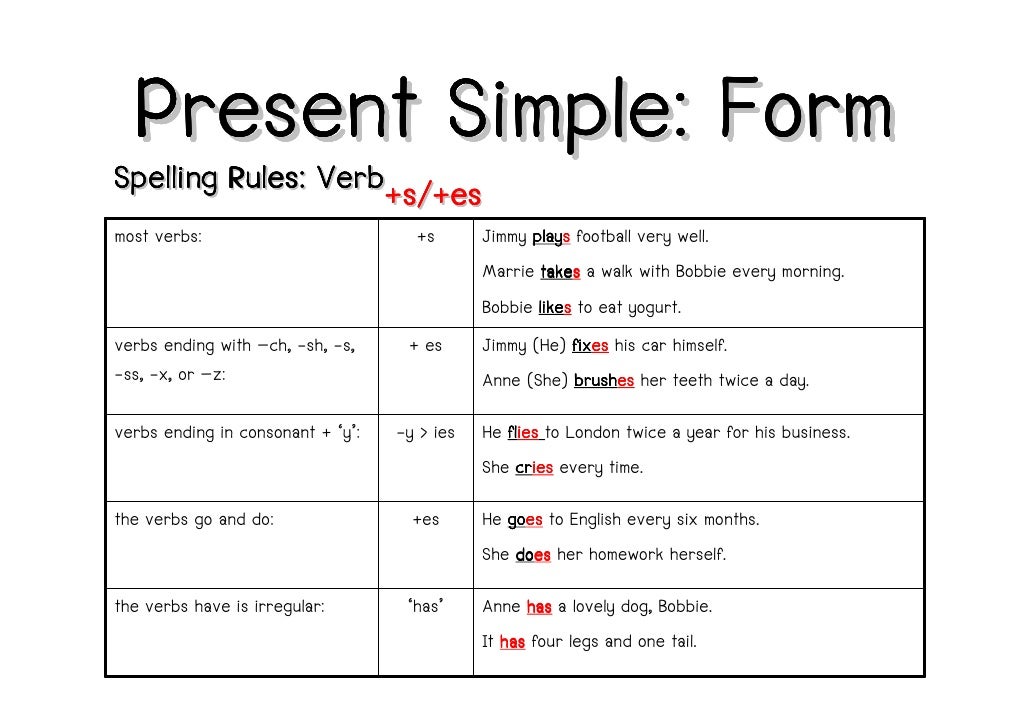
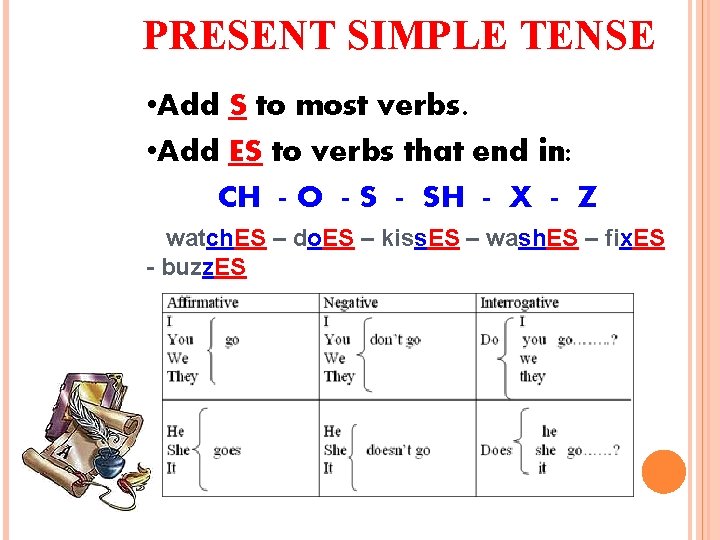
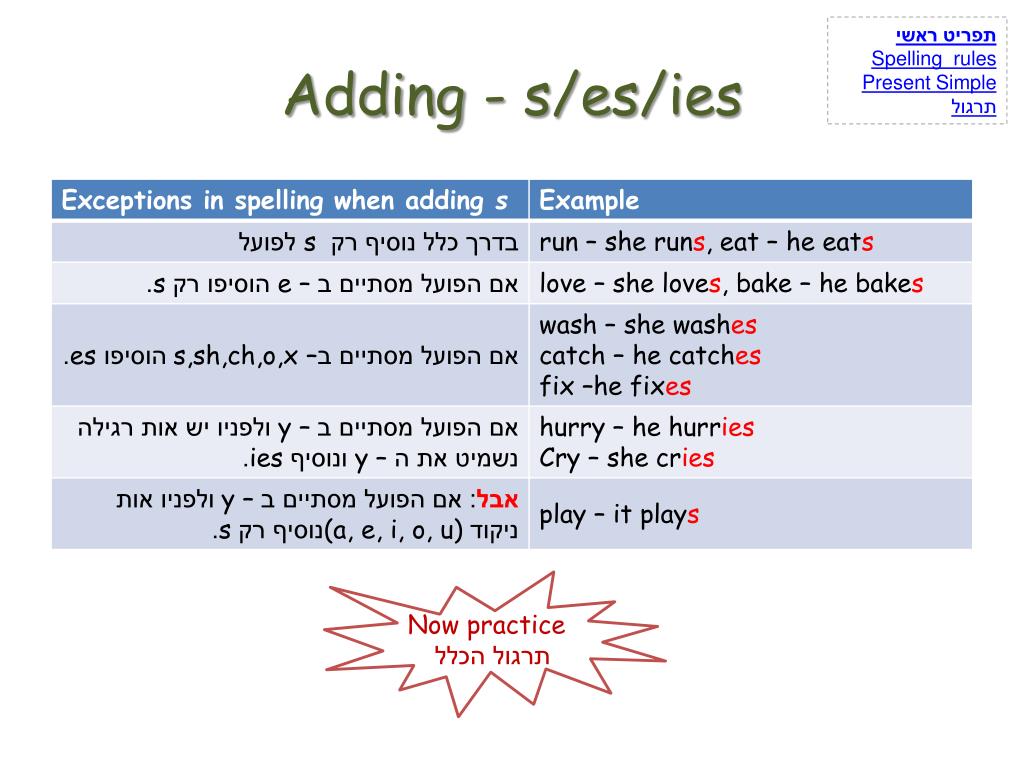
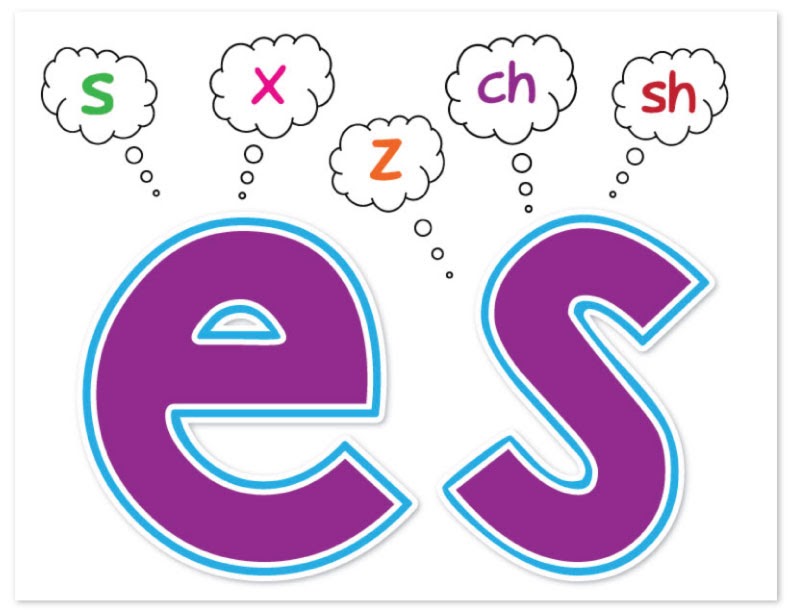
When to Add quot s quot to a Verb If you feel confident about forming plurals in English by adding an s or es at the end of the word I m about to make you feel a little wobbly Although most noun plurals are formed this way verb plurals are formed by removing the s For example which verb is plural talk or talks
Pre-crafted templates provide a time-saving option for creating a diverse range of files and files. These pre-designed formats and layouts can be made use of for different personal and professional projects, consisting of resumes, invites, flyers, newsletters, reports, discussions, and more, enhancing the content production process.
When To Add S
What A Wonderful World Lessons Blendspace

When To Add S es With The Verb English Communication YouTube

Adding s To The End Of Verbs YouTube

Phrasal Verbs With PUT Learn English Grammar English Idioms English Language Learning English
Present Continuous Tense And Present Simple Tense We

Verb 2 Want Cerdaskan

https://www.grammarbook.com/blog/pronouns/when-to-add-s-to-a-verb
Apr 14 2007 0183 32 When to Add s to a Verb 1 When he and Jenny walk to work they hold hands 2 They leave at the end of the year for a month long vacation 3 Her dog cat and chicken get along well together 4 When he gets angry his face turns red 5 She goes away every August
https://www.scribbr.com/language-rules/apostrophe-s
Apr 11 2023 0183 32 With plural nouns ending in s you add the apostrophe after s and do not add an additional s For example the plural noun parents becomes parents not parent s or parents s in a phrase like my parents car An apostrophe can also be used to indicate a contraction shortening of a word or phrase

https://www.englishclub.com/spelling/rules-add-s.php
Adding s We add s to words for two reasons to make plural nouns boy boys to form the

https://www.grammarbook.com/punctuation/apostro.asp
Rule 1 Using an apostrophe to show singular possession Rule 1a Use the apostrophe to show possession To show possession with a singular noun add an apostrophe plus the letter s Examples a woman s hat the boss s wife Mrs Chang s house Rule 1b Many common nouns end in the letter s lens cactus bus etc
https://www.oxfordlearnersdictionaries.com/us/
We use possessive s to say that something or someone belongs to a person is connected to a place or to show the relationship between people The possessive s always comes after a noun When something belongs to more than one person and we give a list of names we put s on the last name
[desc-11] [desc-12]
[desc-13]
