Aces Test Printable INSTRUCTIONS Use this tool to screen for adverse childhood experiences in adults and children As the ACE score increases so does the potential risk for chronic health problems Identifying ACEs early can help with prevention and early intervention When to Use
Jan 28 2020 0183 32 The ACE International Questionnaire ACE IQ is intended to measure ACEs in all countries and the association between them and risk behaviours in later life ACE IQ is designed for administration to people aged 18 years and older What s Your ACE Score And What s Your Resilience Score There are 10 types of childhood trauma measured in the ACE Study Five are personal physical abuse verbal abuse sexual abuse physical neglect and emotional neglect
Aces Test Printable
 Aces Test Printable
https://parentinghub.org/wp-content/uploads/2017/08/ACEs_infographic_web_2015.4.5_v2-704x1024.jpg
Case Studies The state case studies provide detailed descriptions of how selected states have valued and used ACE data to inform their child abuse and neglect prevention efforts Learning from Alaska s Adverse Childhood Experiences ACE Story
Templates are pre-designed files or files that can be used for various functions. They can conserve time and effort by offering a ready-made format and design for developing various type of material. Templates can be utilized for personal or expert tasks, such as resumes, invitations, leaflets, newsletters, reports, discussions, and more.
Aces Test Printable
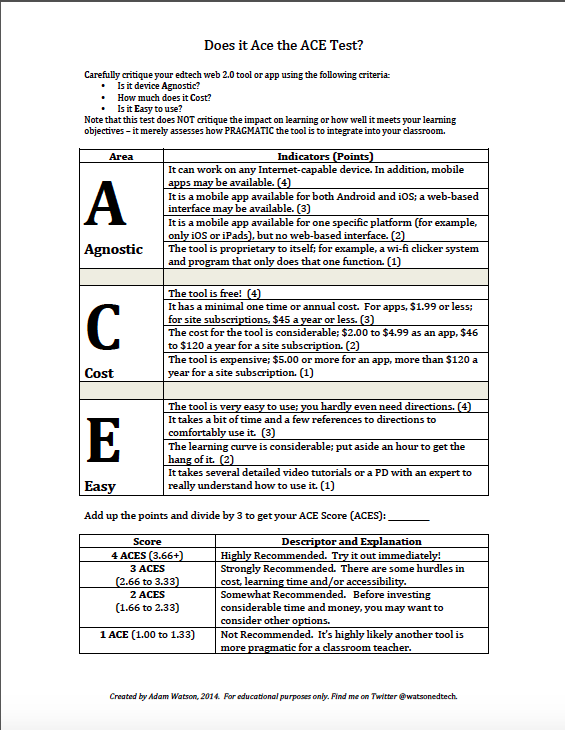
Adam Watson s Edtech Elixirs ACE Test
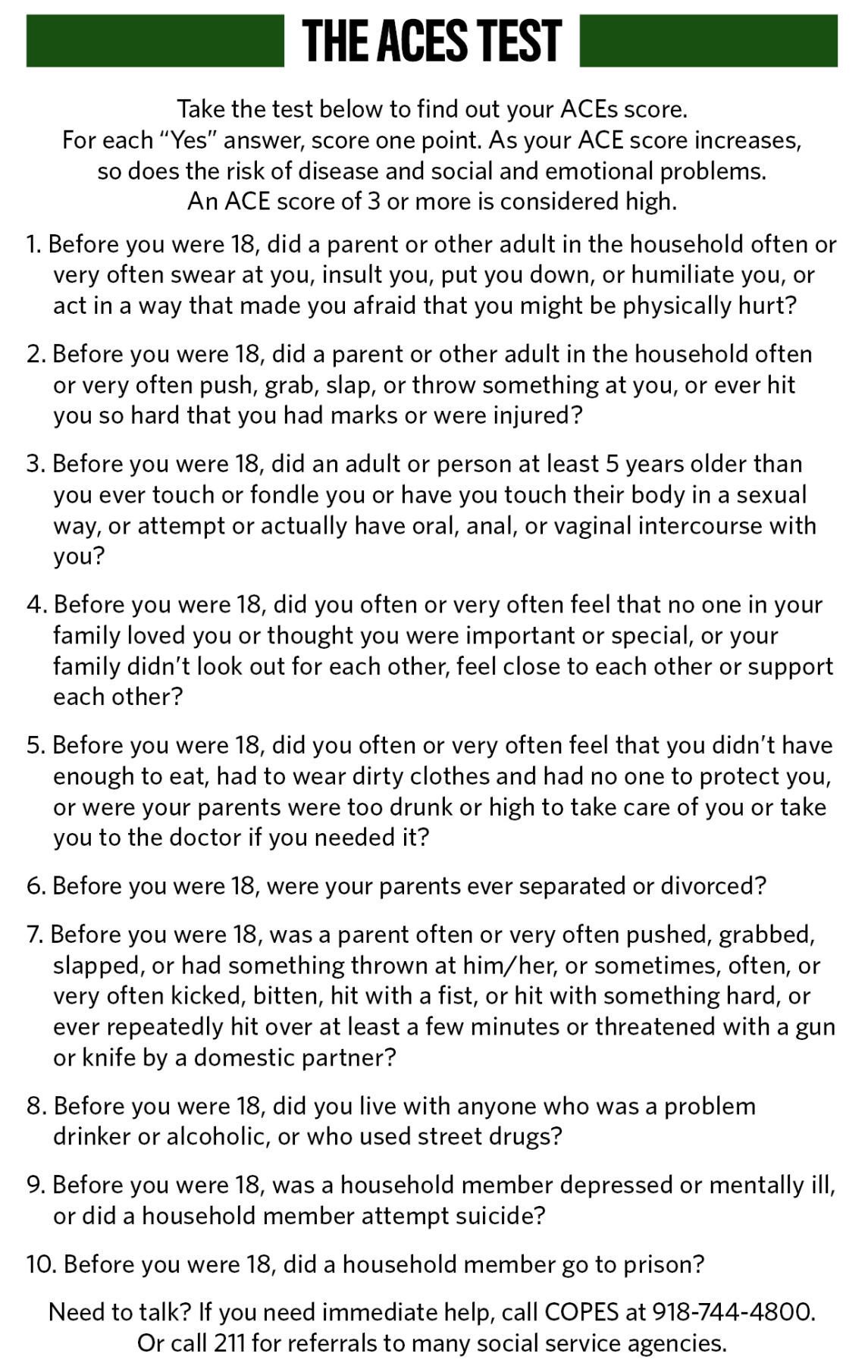
Am I Being abused R ChildAbuseDiscussion

Adverse Childhood Experiences ACEs Questionnaire By Children
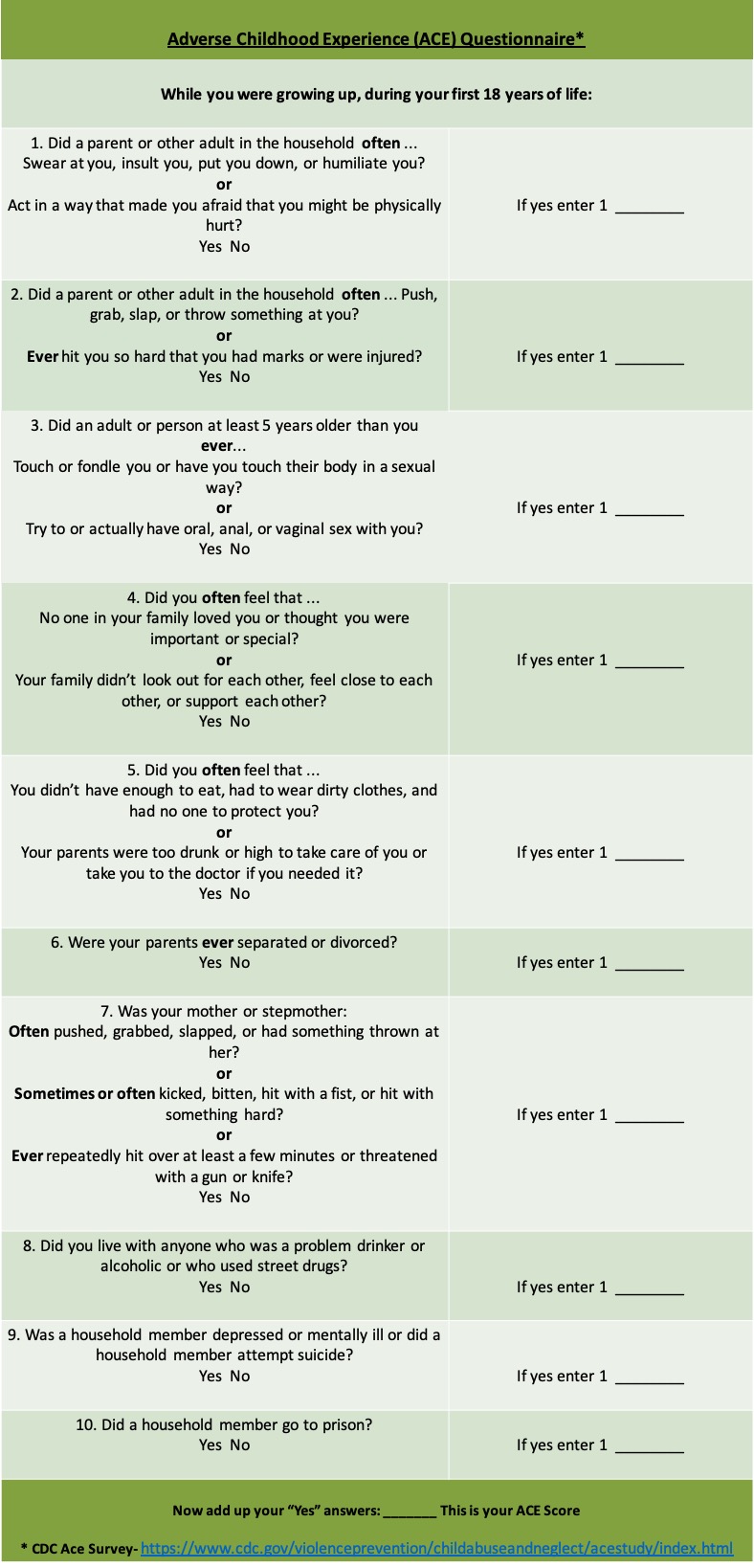
Adverse Childhood Experience ACE Questionnaire Empower Me Coaching
What Is Your ACE Score And What Does It Mean Understanding The

ACEs Trauma Assessment

https://www.acesaware.org/wp-content/uploads/2022/
1 Did you feel that you didn t have enough to eat had to wear dirty clothes or had no one to protect or take care of you 2 Did you lose a parent through divorce abandonment death or other reason 3 Did you live with anyone who was

https://www.naadac.org/assets/2416/michael_bricker
INSTRUCTIONS 1 Identify and list a few of your strengths how did you survive Some things about you that you really like 2 Read the ACE definitions and identify any things you experienced in the family or families you grew up in BEFORE THE AGE OF 10 Then enter your score either zero or 1 for each type of trauma

https://www.chcs.org/media/TA-Tool-Screening-for
IN BRIEF As trauma informed care continues to gain traction more and more providers are beginning to screen patients for exposure to adverse childhood experiences ACEs and trauma However variation exists regarding when and how to screen in both adult and pediatric populations

https://developingchild.harvard.edu/media-coverage
This ACEs Quiz is a variation on the questions asked in the original ACEs study conducted by CDC researchers What s Missing Stressors outside the household e g violence poverty racism other forms of discrimination isolation

https://www.childhealthdata.org/docs/default
What is the ACE Study Published in 1998 as a collaboration between the Centers for Disease Control CDC and Kaiser Permanente the original ACE study was one of the first studies to look at the relationship between chronic
Common ACEs o physical sexual verbal abuse o physical and emotional neglect o a parent who s an alcoholic or addicted to other drugs or diagnosed with a mental illness o witnessing a parent experience abuse o losing a parent to abandonment or divorce o bullying ACEs can be totaled using a score card see above This questionnaire was used to assess participants in the original Adverse Childhood Experiences study conducted by CDC and Kaiser Permanente and published in 1998 This widely used and validated tool is used by trained providers to measure the impact of childhood abuse and neglect upon health and well being View Resource Posted July 2019
The ACEs quiz is a helpful tool for raising awareness about the potential impact of ACEs on both an individual and community level When we know more we can do more Understanding how trauma has long lasting impacts is a key part of healing and most importantly prevention
